
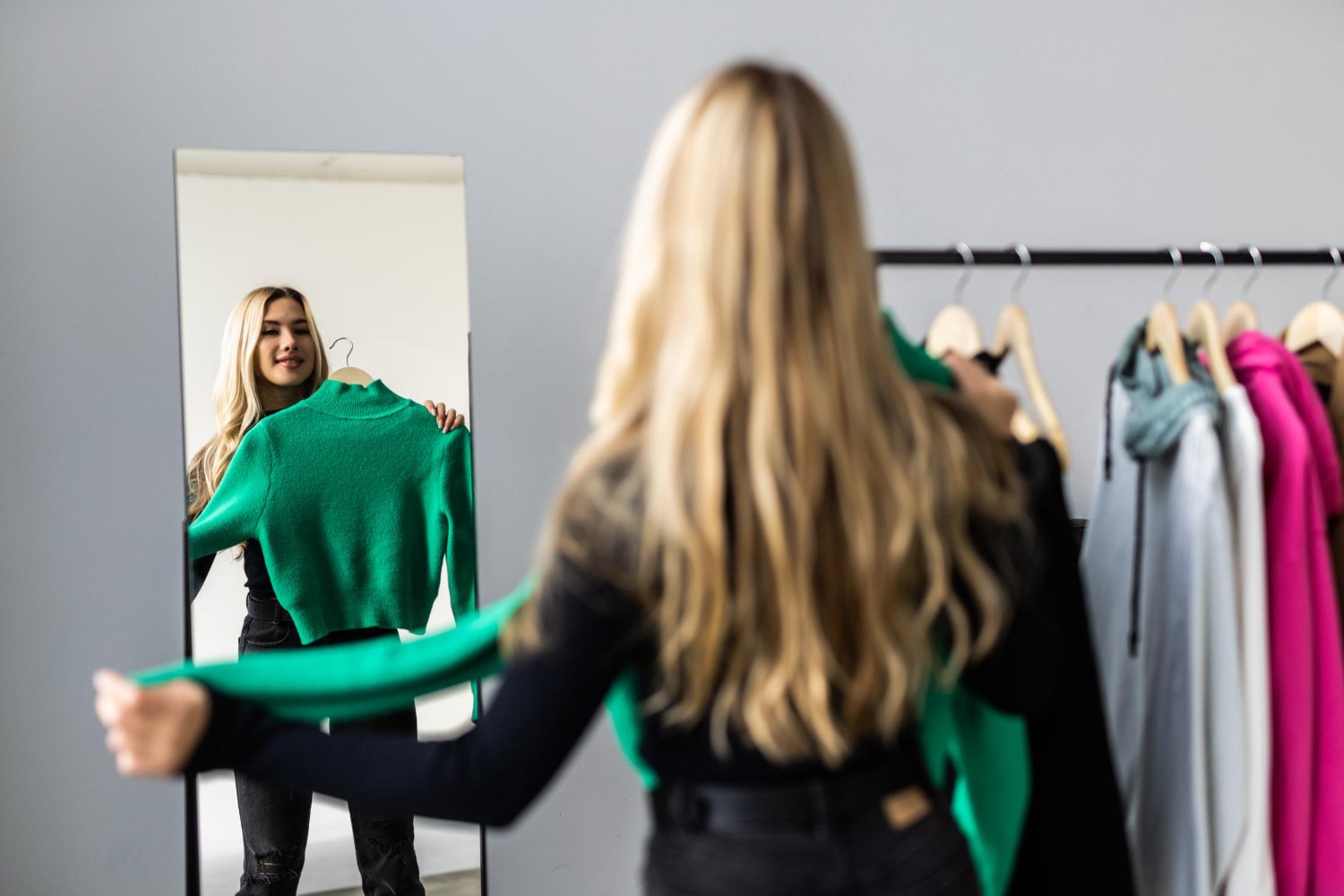
Fashion never stands still. One season, oversized blazers dominate every street-style photograph; the next, fitted jackets and relaxed tailoring take centre stage. Yet the most interesting fashion shifts are not always about buying the latest trends. They are about discovering new ways to wear what you already own, experimenting with personal style and choosing clothes that make you feel confident.
Right now, fashion is moving towards a more thoughtful mix of statement pieces, comfortable silhouettes, expressive colours and timeless wardrobe staples. Instead of following every microtrend, people are becoming more selective about what deserves a place in their wardrobes. At the same time, social media continues to introduce fresh styling ideas, bringing runway inspiration into everyday dressing.
So, what is actually in and what is on its way out? From modern tailoring and interesting textures to outdated styling habits, here is your guide to the fashion trends worth knowing about right now.
The New Fashion Mood: Personal Style Over Perfect Outfits
One of the biggest shifts in fashion is the growing appreciation for individuality. Rather than dressing exactly like an influencer or copying an entire runway look, people are finding ways to make trends work for their own lifestyles. A classic white shirt might sit alongside a vintage belt, while tailored trousers could be paired with trainers and a relaxed knit.
This approach makes getting dressed more creative. You do not need a completely new wardrobe to look current. Instead, experiment with proportions, accessories and unexpected combinations. For example, try wearing a structured jacket over a simple vest or adding a colourful bag to an otherwise neutral outfit. Small changes can give familiar clothes a fresh perspective.
Meanwhile, personal style is becoming less about achieving a perfectly coordinated look and more about creating something that feels authentic. Clothes can be polished without being predictable, and an outfit can look fashionable without appearing overly planned.
What’s in: Individual styling, vintage finds, personal accessories and outfits that reflect your personality.
What’s out: Copying every viral trend without considering whether it suits your taste, comfort or everyday routine.
Relaxed Tailoring Is Taking Centre Stage
Tailoring remains a wardrobe favourite, but it is becoming less rigid. Sharp suits and perfectly fitted office clothes are making room for relaxed blazers, wide-leg trousers, fluid shirts and softly structured jackets. The result is a look that feels sophisticated without looking too formal.
The beauty of relaxed tailoring lies in its versatility. Wear a loose blazer with straight-leg jeans for a casual afternoon, or pair wide-leg trousers with a fitted top for a dinner out. If you prefer a more traditional look, choose a matching waistcoat and trousers, then add simple jewellery to keep the outfit modern.
Fabric also makes a difference. Linen, lightweight wool, cotton and other breathable materials can create an effortless finish while helping you stay comfortable throughout the day. In addition, neutral shades such as charcoal, cream, navy and chocolate brown make tailoring easier to mix and match.
Fashion inspiration also comes from different cultures, communities and approaches to dressing. For example, exploring Asian women fashion can introduce you to distinctive silhouettes, elegant layering, thoughtful colour combinations and contemporary interpretations of traditional clothing. The key is to appreciate these influences while adapting the ideas to your own wardrobe rather than treating any culture as a single fashion style.
What’s in: Relaxed suits, wide-leg trousers, oversized blazers and smart-casual combinations.
What’s out: Uncomfortable tailoring that restricts movement or feels too formal for the occasion.
Colour Is Back, but Neutrals Still Matter
Neutral wardrobes will always have their place, but colour offers an easy way to make an outfit feel fresh. Rich burgundy, deep chocolate, vibrant blue, soft yellow and earthy greens are useful shades to experiment with, depending on the season and your personal preferences.
You do not need to dress from head to toe in a bright colour to make an impression. Start with one standout piece, such as a red handbag, a blue knit or a coloured pair of shoes. Then, balance it with familiar basics. This allows you to experiment without buying several items that may be difficult to style.
Another approach is to play with colour combinations. Chocolate brown and pale blue can create a softer contrast, while burgundy and grey feel understated but polished. Alternatively, different shades of the same colour can give an outfit depth without making it look busy.
However, neutrals are not going anywhere. Black, white, beige, navy and grey remain useful foundations because they work across seasons and occasions. Rather than choosing between colour and minimalism, combine the two in a way that feels natural.
What’s in: Rich colour accents, thoughtful colour combinations and tonal dressing.
What’s out: Treating neutral clothing as the only route to looking sophisticated.
Texture Is the Secret to Making Simple Outfits Interesting
Sometimes, the most effective outfit is built around a simple colour palette and interesting textures. Think soft knitwear with denim, a satin skirt with a cotton T-shirt or a suede jacket over a lightweight dress. These combinations add depth without requiring loud prints or complicated accessories.
Texture also helps you create contrast. A structured leather bag can sharpen a relaxed outfit, while delicate lace can soften a tailored look. Similarly, combining a chunky knit with fluid trousers creates a balance between cosy and polished. The aim is to let different materials complement one another rather than compete for attention.
As fashion inspiration becomes easier to discover online, editorial platforms and style publications can help readers understand how trends translate into everyday wardrobes. A good women fashion magazine can offer outfit ideas, seasonal edits, designer perspectives and practical styling inspiration, helping readers decide which trends are worth trying and which are better left on the runway.
Of course, interesting textures do not automatically make an outfit fashionable. Consider the weather, occasion and comfort of each piece. Lightweight cotton and linen work well in warmer conditions, while wool, suede and heavier knits offer more warmth when temperatures drop.
What’s in: Mixed textures, tactile fabrics, subtle layering and material contrast.
What’s out: Relying on logos or excessive embellishment to make an outfit stand out.
Accessories Are Doing More of the Talking
Accessories can change the entire mood of an outfit. A simple dress looks different with sculptural earrings, while a blazer and jeans combination can feel more polished with a leather belt and structured handbag. This season, the smartest approach is to choose accessories that add character without overwhelming the clothes.
Statement jewellery is one way to experiment. Oversized earrings, bold cuffs and sculptural necklaces can bring personality to minimalist outfits. Meanwhile, practical bags, classic sunglasses and well-made belts remain useful because they combine style with everyday function.
Shoes deserve the same attention. Trainers can make tailored trousers feel more relaxed, while loafers offer a smart alternative for everyday dressing. Ballet flats, ankle boots and elegant heels can also work, depending on your personal style and the occasion.
Nevertheless, more accessories do not necessarily mean a better outfit. Choose one or two pieces that create interest, then allow the rest of your look to breathe. Sometimes, a single striking accessory is far more effective than several competing statement pieces.
What’s in: Characterful jewellery, versatile handbags, thoughtful belts and shoes that balance style with comfort.
What’s out: Buying accessories simply because they are trending, even when they rarely complement your wardrobe.
Denim Is Evolving Beyond One Perfect Fit
Denim remains one of the easiest ways to build an everyday outfit, but there is no single silhouette that everyone needs to wear. Straight-leg jeans, wide-leg styles, relaxed cuts and darker washes all offer different ways to approach this wardrobe essential.
Straight-leg jeans are a dependable choice if you want something that works with trainers, loafers and ankle boots. Wide-leg denim creates a more relaxed silhouette, especially when paired with a fitted top or cropped jacket. Meanwhile, dark denim can look particularly polished with a crisp shirt or a tailored blazer.
The most important factor is fit. Jeans should work with your proportions, personal comfort and the rest of your wardrobe. You do not have to abandon a favourite pair simply because a different cut appears more frequently on social media.
At the same time, consider how you style your denim. A simple pair of jeans can feel contemporary with a modern belt, a textured jacket or an interesting shoe. You can also experiment with double denim by combining different washes or keeping the shades similar for a more coordinated look.
What’s in: Straight-leg jeans, relaxed denim, wide-leg silhouettes and versatile darker washes.
What’s out: Assuming that one particular jean shape is universally fashionable or suits everybody.
Thoughtful Shopping Is Replacing Endless Trend-Chasing
Perhaps the most useful fashion shift is a growing focus on buying clothes with purpose. Instead of purchasing every new trend, more wardrobe planning can help you build a collection of pieces that work together. This does not mean avoiding fun purchases. It means making room for them alongside dependable essentials.
Start by looking at what you already own. Identify the items you wear regularly, the pieces that never seem to work and the gaps that make getting dressed difficult. You might discover that you need comfortable everyday trousers rather than another statement top, or that a versatile jacket would make several existing outfits more useful.
Second-hand shopping, vintage stores and clothing swaps can also help you discover distinctive pieces without relying entirely on new collections. Meanwhile, checking fabric quality, construction and care instructions can help you make more informed decisions about long-term wear.
Of course, fashion should still be enjoyable. There is nothing wrong with buying something playful or trying a trend simply because it makes you happy. The goal is to strike a balance between creativity and practicality, so your wardrobe reflects your personality instead of becoming a collection of short-lived purchases.
What’s in: Versatile basics, thoughtful shopping, vintage discoveries and clothes you genuinely enjoy wearing.
What’s out: Impulse buying, unnecessary wardrobe replacements and treating every passing trend as essential.
The Trends to Leave Behind and the Rules Worth Breaking
Fashion trends are not strict rules, and an item does not suddenly become unwearable because its popularity changes. Still, certain styling habits can make a wardrobe feel less personal when they are followed without thought. Wearing every trend at once, choosing uncomfortable clothes for appearances or buying pieces that never work with anything else can make dressing unnecessarily complicated.
Instead, focus on proportion, comfort and balance. If you wear an oversized jacket, try pairing it with a more streamlined bottom. If your outfit includes a bold print, keep the accessories simple. These small decisions can help you create a more cohesive look without following a rigid formula.
Equally, do not be afraid to break the rules. Mix trainers with tailoring, combine vintage clothing with modern accessories or wear a favourite item in an unexpected way. Fashion becomes much more interesting when you stop asking whether every choice is technically on trend and start considering whether it works for you.
Ultimately, the best style advice is to stay curious. Pay attention to new ideas, experiment with combinations and keep the pieces that make you feel good. Trends can inspire your wardrobe, but they should never dictate your entire identity.
Final Thoughts: Wear What Feels Like You
Fashion right now is about finding a balance between contemporary trends and personal expression. Relaxed tailoring, thoughtful colour combinations, interesting textures, expressive accessories and versatile denim offer plenty of ways to refresh your wardrobe. At the same time, considered shopping and individual styling can help you move beyond the pressure to buy something new every week.
You do not need to follow every trend to look current. Start with the clothes you love, experiment with new combinations and invest in pieces that suit your lifestyle. Keep what works, leave behind what does not and remember that confidence often makes a bigger difference than any designer label.
After all, the most interesting wardrobe is not necessarily the one filled with the latest arrivals. It is the one that tells your story.