
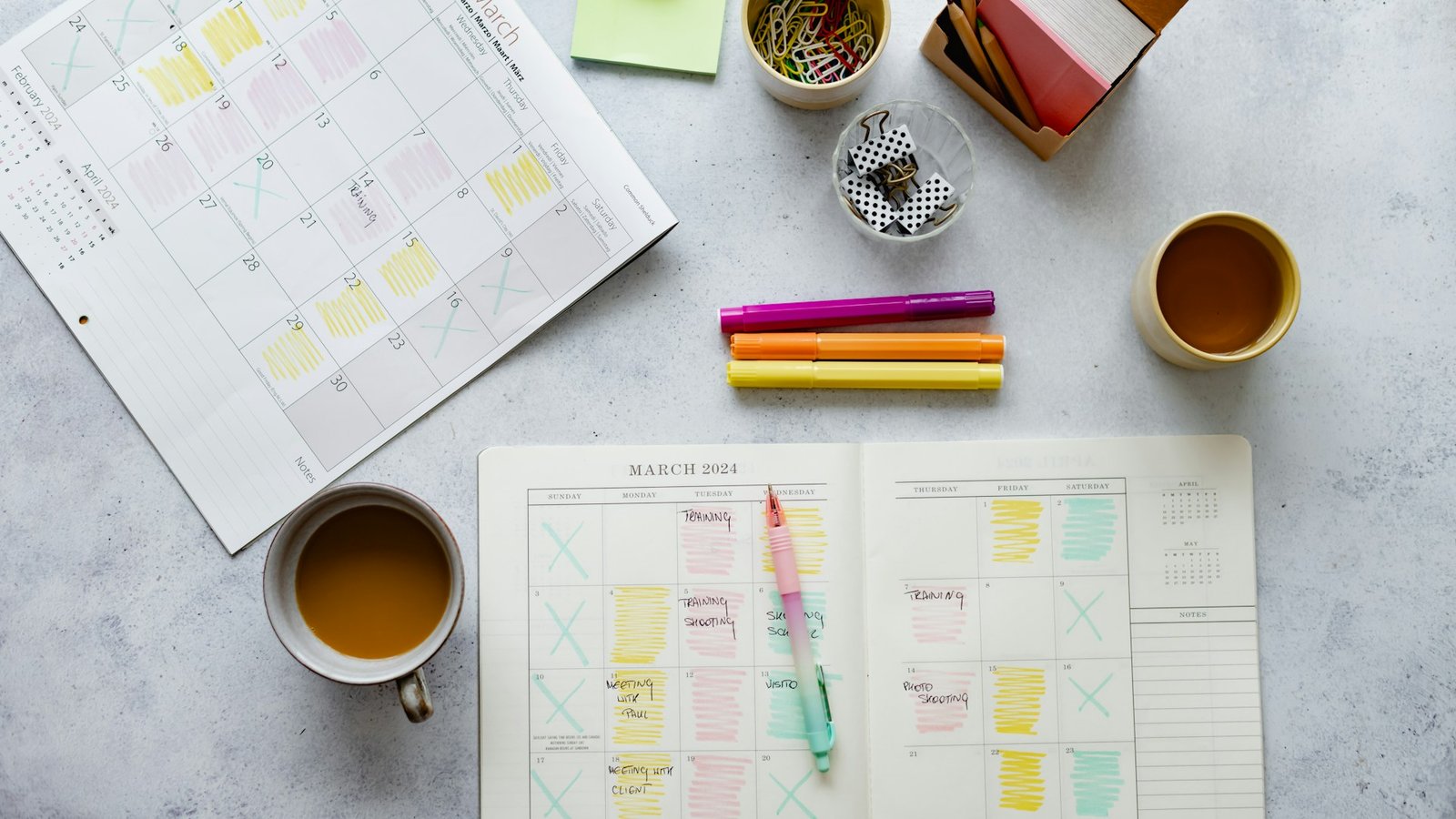
Managing time well can make everyday life feel much easier and more organised. When there are many things to do, it is common to feel rushed, distracted or unsure about where to begin. Good time management does not mean filling every minute of the day with work. Instead, it means using your time in a sensible way so you can finish important tasks while still having enough time to rest and enjoy yourself. A few simple habits can make a noticeable difference to your daily routine.
Having a better routine can also reduce unnecessary stress. When you know what needs to be done and when you plan to do it, your day can feel more under control. You do not need complicated apps or strict schedules to manage your time. Small changes, such as planning your morning, avoiding distractions and giving yourself enough time for each task, can help you become more productive without making your routine feel difficult.
Start Your Day With a Simple Plan
A simple plan can give your day a clear direction from the beginning. Instead of starting the morning without knowing what needs to be done, take a few minutes to think about your main tasks. You can write them down or simply keep them in mind. Try to focus on the things that are genuinely important rather than making a very long list that may become difficult to complete.
Planning does not mean that every part of your day needs to be fixed. Leave some free time for unexpected jobs, delays or changes in your plans. A flexible routine is often easier to follow because it gives you some space when something does not go as expected. Starting the day with a clear idea of your priorities can help you feel calmer and more prepared.
Set Priorities Before You Begin
Not every task has the same level of importance. Some jobs need to be completed quickly, while others can wait until later. Before getting started, think about which tasks will have the biggest effect on your day. Completing an important job early can also make the rest of the day feel less stressful.
Try not to spend too much time on small tasks simply because they are easy to finish. It can feel good to cross several small jobs off your list, but important work may still be waiting. Giving your attention to high-priority tasks first can help you use your time more effectively and avoid rushing at the end of the day.
Avoid Doing Too Many Things at Once
Multitasking may seem like a good way to save time, but it can often make work slower and less effective. Moving between different tasks can make it harder to concentrate, especially when the work requires careful thinking. You may also make more mistakes because your attention is divided between several things.
Try to give your full attention to one task at a time whenever possible. Finish a reasonable part of one job before moving on to another. This can help you work with greater focus and make it easier to see your progress. A calmer approach can often produce better results than trying to do everything at once.
Give Yourself Realistic Time Limits
It is easy to underestimate how long a task will take. If you give yourself too little time, you may end up feeling rushed or disappointed when you cannot finish as quickly as expected. Instead, think realistically about how much time a task normally requires and allow a little extra time when necessary.
Realistic time limits can make your schedule easier to follow. They can also help you understand how you actually spend your day. After using a routine for a while, you may notice that some tasks take longer than expected while others can be completed quickly. This can help you create better plans in the future.
Take Short Breaks During the Day
Working for many hours without a break can leave you feeling tired and unfocused. Short breaks can give your mind a chance to rest before you return to your work. You do not need a long break every time. Getting up, having some water, walking around or simply looking away from your screen for a few minutes can be helpful.
Breaks should be part of a healthy routine rather than something you feel guilty about. When you return to a task after a short rest, you may find it easier to concentrate. Regular breaks can also stop the day from feeling like one long period of work.
Keep Distractions Under Control
Phones, social media, unnecessary notifications and frequent messages can take up more time than you realise. Even a quick look at your phone can turn into several minutes of scrolling. When you have an important task to complete, try to reduce distractions around you.
You do not need to avoid your phone completely. Instead, decide when you will check messages or social media and when you need to concentrate. Turning off unnecessary notifications or keeping your phone away from your workspace can make it easier to stay focused and complete your work without constant interruptions.
Use the Morning Wisely
The morning can be a useful time to complete important tasks because many people feel fresher and more focused earlier in the day. If there is something that requires concentration, consider doing it before smaller and less important jobs take up your time.
A good morning routine does not need to be complicated. Getting up at a regular time, having breakfast, preparing for the day and starting with an important task can create a positive rhythm. When your morning begins in an organised way, it can become easier to manage the rest of the day.
Learn to Say No When Necessary
Taking on too many tasks can quickly make your schedule difficult to manage. Sometimes you may agree to help with something even when you already have several responsibilities. While helping others is important, it is also necessary to understand your own limits.
Learning to say no politely can protect your time and prevent unnecessary pressure. If you genuinely do not have enough time, explain that you are busy and suggest another time if possible. Managing your responsibilities does not mean doing everything for everyone. It means understanding what you can reasonably handle.
Leave Time for Rest and Personal Activities
A good routine should include more than work and responsibilities. Rest, hobbies, family time and personal activities are also important parts of everyday life. If your schedule is filled completely with tasks, you may eventually feel tired and lose motivation.
Try to protect some time for yourself each day. You could read, listen to music, go for a walk, spend time with family or simply relax. Giving yourself time away from work can help you return to your responsibilities with a clearer mind and better energy.
Review Your Routine Regularly
Your routine may work well one week and become less useful the next. This is completely normal because responsibilities, working hours and personal plans can change. Take a little time at the end of the day or week to think about what worked well and what caused problems.
You do not need to change everything at once. Small adjustments can make your routine more comfortable and practical. If you regularly review your schedule, you can slowly learn which habits help you stay organised and which ones waste your time.
FAQs
What is the easiest way to improve time management?
Starting with a simple daily plan is one of the easiest ways to improve time management. Choose a few important tasks and decide when you will work on them. Keeping the plan realistic makes it easier to follow.
How can I stop wasting time during the day?
Start by noticing where your time goes. Social media, unnecessary phone use and frequent interruptions are common distractions. Reducing these distractions during important tasks can help you stay focused.
Is multitasking good for productivity?
Multitasking is not always helpful, particularly when tasks require concentration. Focusing on one important task at a time can make it easier to work carefully and complete jobs without unnecessary mistakes.
How many breaks should I take while working?
There is no single number that works for everyone. Short breaks can be useful whenever you start feeling tired or your concentration drops. The important thing is to avoid working for very long periods without giving yourself time to rest.
Can time management reduce daily stress?
Good time management can help reduce some everyday stress because you have a clearer idea of what needs to be done. A realistic schedule can also prevent last-minute rushing and give you more control over your responsibilities.
Conclusion
Good time management is not about making your life busy from morning until night. It is about using your available time wisely and creating a routine that works for your needs. Simple habits such as planning your day, setting priorities, avoiding distractions, taking regular breaks and leaving time for rest can make everyday responsibilities easier to manage.
You do not need to change your entire routine overnight. Start with one or two habits and give yourself time to get comfortable with them. As these small changes become part of your daily life, you may find it easier to stay organised, concentrate on important tasks and enjoy more free time. A well-managed day is not necessarily a packed day; it is a day where your time is used with purpose and balance.