
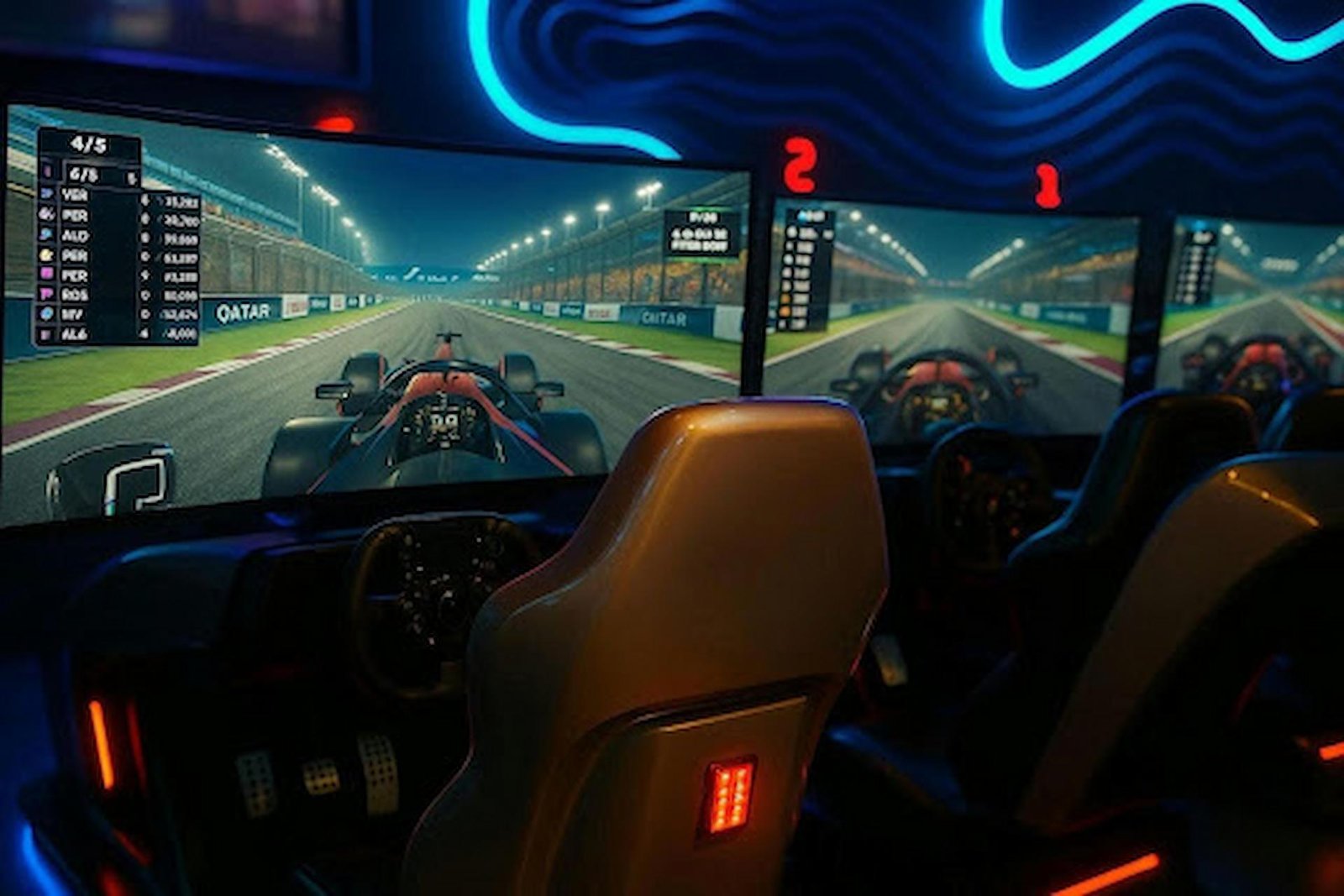
Enter the thrilling world of virtual motorsport where precision, competition, and real driving physics collide. Whether you’re exploring your first racing setup or leveling up your skills, sim racing offers an exciting gateway to immersive driving. Learn how to begin, what equipment matters, and how to accelerate your path to success.
Sim racing has rapidly grown into one of the most exciting corners of modern gaming and motorsport culture. What once existed as a niche hobby has now evolved into a global phenomenon supported by cutting-edge technology, esports events, and a passionate community of racers.
Today, even professional drivers use simulation platforms to sharpen their skills. For newcomers, it offers a thrilling entryway into competitive driving without the cost of real-world motorsport. Many aspiring racers begin their journey with communities such as Sim Racer UK, where equipment guidance, performance tips, and platform recommendations help enthusiasts find the right direction. Before diving into upgrades and advanced setups, it’s essential to understand what sim racing is and how to approach it without feeling overwhelmed.
What Is Sim Racing and How Does It Work?
Sim racing—short for simulation racing—is a style of motorsport gaming designed to replicate real-world driving conditions as closely as possible. Unlike arcade racing, simulation platforms emphasise realistic handling, tyre behaviour, braking physics, aerodynamics, and track detail.
Popular platforms include iRacing, Assetto Corsa Competizione, and rFactor 2. These systems use data from real circuits, combining physics engines and telemetry to mimic authentic racing environments. Because of that, sim racing is used in professional driver training, engineering testing, and worldwide esports championships.
As technology has improved, so has accessibility. You don’t need a full cockpit or expensive gear to start—just the right mindset and progressive improvements.
Building Your First Sim Racing Setup
Deciding where to start depends on your goals and budget. Sim racing equipment ranges from simple console controllers to high-end direct-drive wheelbases crafted for extreme realism. Communities like Sim Racer UK often guide newcomers in choosing gear that balances performance and affordability.
Core components of a sim racing setup
- Wheelbase & steering wheel – The wheelbase powers feedback, letting you feel traction, bumps, and resistance. Entry gear uses force-feedback motors, while advanced setups use direct-drive systems for precision.
- Pedals – Load-cell brake pedals allow braking based on pressure rather than travel distance, improving control and lap consistency.
- Rig or mount – Stabilises the equipment for realistic motion. Some racers prefer wheelstands, while others choose full cockpits.
- Display – Single monitors work well for beginners, while triple-screen or VR options increase immersion dramatically.
Many racers begin with budget setups and upgrade step by step. The key is balancing gear with skill development—not buying everything at once.
Why Sim Racing Has Become So Popular
Sim racing appeals to beginners and experts alike because it blends competitive adrenaline with accessible learning. According to industry research, the global sim-racing equipment market is expanding rapidly alongside esports growth and the rising popularity of racing simulators during competitive motorsport off-seasons.
Some reasons behind its explosive rise:
- Lower cost compared to real motorsport
- Safe environment for practice and experimentation
- Huge online communities and organised leagues
- Realistic physics engines bridging virtual and real-world racing
- Growing recognition as a legitimate sport
The community also plays a major role. Platforms like Sim Racer UK support both hobbyists and performance racers, offering education, comparisons, and equipment insights for continuous improvement.
Essential Skills Every New Sim Racer Should Develop
Mastering sim racing is less about purchasing expensive equipment and more about building strong driving fundamentals. These skills apply to all racing platforms:
Key skills to focus on
- Braking technique – Smooth, progressive braking improves control and prevents wheel lock.
- Racing lines – Following the fastest path through corners maximises speed and stability.
- Consistency over speed – Reliable lap times matter more than the occasional fast one.
- Throttle control – Managing acceleration helps reduce spins and tyre wear.
- Awareness and positioning – Understanding track surroundings prevents collisions and improves racecraft.
Learning these techniques creates a foundation for competitive improvement, whether you race casually or in leagues.
Actionable Tips to Accelerate Your Progress
- Start slow and build gradually
Focus on fundamentals before chasing lap records. - Use practice sessions wisely
Spend structured time mastering cornering rather than random laps. - Join community races
Competing with others teaches discipline and racecraft. - Adjust your settings
Small tuning changes to force-feedback or pedal sensitivity can transform control. - Watch tutorials and analyse your laps
Reviewing driving patterns identifies weaknesses early.
Sim racing rewards patience and refinement. Even small improvements often make a noticeable difference.
Choosing the Right Software and Cars
Not all platforms are the same. Each one caters to different racing styles:
| Platform | Focus | Ideal For |
| iRacing | Online competition & structured leagues | Drivers seeking ranked racing |
| Assetto Corsa Competizione | GT racing accuracy | Fans of GT3/GT4 categories |
| rFactor 2 | Advanced physics & modding | Technical racers |
| Gran Turismo | Console-friendly access | Beginners upgrading from controller |
Selecting cars with predictable handling helps beginners build consistency before switching to high-powered vehicles.
How to Avoid Common Beginner Mistakes
- Rushing into competitive races before practising
- Buying advanced gear too early
- Ignoring basic car setup options such as tyre pressures or gearing
- Racing aggressively without understanding etiquette
- Expecting instant pace instead of progression
These habits can lead to frustration rather than enjoyment. Focus on steady learning.
Conclusion
Sim racing is more than a game—it is an exciting gateway into authentic motorsport experiences, competitive racing communities, and continuous personal improvement. With the right approach, beginners can quickly develop confidence behind the wheel, learn essential racecraft, and build skills that translate both virtually and in the real world. You don’t need the most expensive setup to start—just curiosity, patience, and the willingness to learn step by step.
If you’re ready to begin your racing journey, join communities such as Sim Racer UK for guidance, equipment insights, and support from fellow racers. Start today, refine your pace, and discover how thrilling virtual motorsport can truly be.