
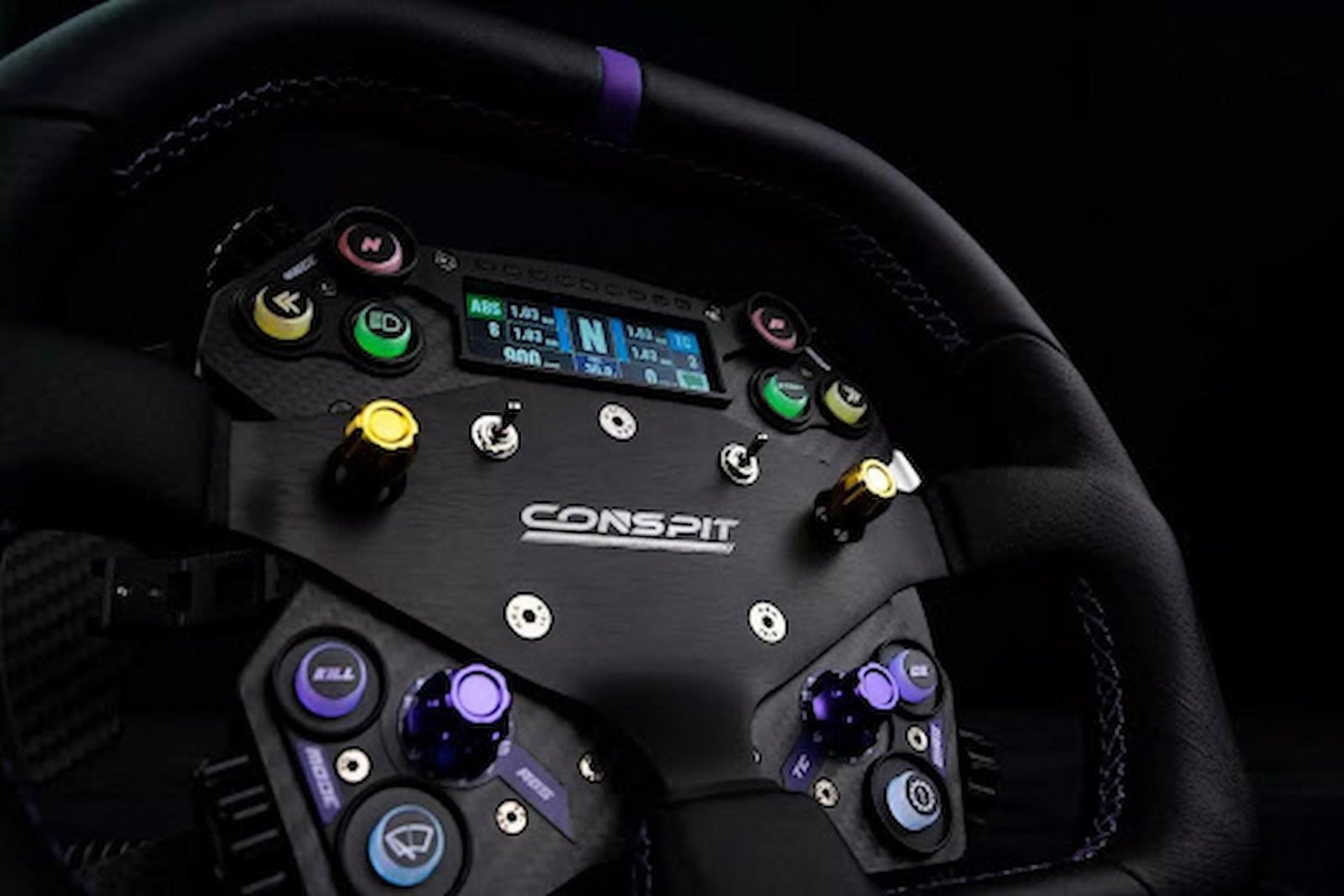
Sim racing has evolved from a niche hobby into a high-performance sport, and hardware innovation is at the heart of this transformation. At the forefront is Conspit, a brand redefining how virtual drivers connect with the track. Here’s how cutting-edge engineering is turning simulation into an ultra-realistic racing experience.
In recent years, sim racing has shifted from a pastime for enthusiasts to a globally recognised competitive arena. Gamers and professional drivers alike are investing in advanced setups that replicate real-world racing with astonishing precision. The difference between a basic setup and a truly immersive experience often comes down to one key factor: hardware innovation. And leading this revolution is Conspit, a name synonymous with performance, realism, and cutting-edge technology in sim racing.
The Evolution of Sim Racing: From Casual to Competitive
Sim racing has come a long way since the early days of arcade-style racing games. What was once about entertainment is now about skill, precision, and realism. Today, virtual racing is used not just by gamers but also by professional drivers to sharpen reflexes and practice track strategies. The demand for hyper-realistic feedback, accurate force response, and seamless control has driven hardware manufacturers to push beyond traditional limits — and that’s where Conspit stands out.
The growing popularity of online racing leagues and eSports tournaments has only accelerated this demand. Modern setups are expected to deliver more than just motion — they must recreate the sensation of being behind the wheel of a real racing car.
Why Hardware Innovation Matters
While software plays a crucial role in creating immersive racing experiences, hardware determines how convincingly those experiences translate into physical feedback. The steering wheel, pedals, and force feedback systems must respond precisely to virtual conditions. This level of accuracy requires engineering excellence, and Conspit has built its reputation on exactly that.
The brand’s approach goes beyond basic design — every component is fine-tuned to replicate real-world driving physics. Whether it’s the weight transfer in a corner or the vibration from the kerbs, the hardware’s job is to make the driver forget they’re in a simulator.
Precision Engineering: The Core of Conspit’s Design
At the heart of Conspit’s innovation lies meticulous engineering. Each product is developed with feedback from professional drivers, mechanical engineers, and simulation experts. The goal is not only to enhance performance but to blur the line between virtual and real-world racing.
- Realistic Force Feedback: Conspit’s wheel bases use advanced torque motors that provide nuanced force feedback, helping drivers feel every change in grip and track texture.
- Customisable Pedal Systems: Adjustable resistance, hydraulic simulation, and precision sensors give drivers complete control over acceleration and braking.
- Ergonomic Build: Every detail, from the wheel grip texture to pedal spacing, is designed for comfort during long practice sessions without compromising performance.
These features make the hardware not just powerful but also intuitive — essential for both newcomers and seasoned racers.
Bridging the Gap Between Virtual and Real Racing
One of the most significant impacts of innovation in sim racing hardware is its ability to replicate real-world conditions with remarkable accuracy. Conspit devices are now being used by professional racing teams to train drivers and simulate track conditions before competitions.
For example, the precision of steering feedback helps drivers develop muscle memory, while advanced braking systems replicate the nuances of different cars and tracks. This level of realism doesn’t just improve gameplay — it prepares drivers for the physical and mental demands of actual motorsport.
Enhancing the User Experience: Accessibility Meets Performance
While professional-grade setups were once prohibitively expensive and complex, brands like Conspit are making high-end performance more accessible. Modular designs allow users to upgrade components gradually, while user-friendly software interfaces simplify calibration and customisation.
This democratization of advanced hardware means that serious sim racing is no longer limited to professionals. Anyone with passion and dedication can now experience the thrill of racing with precision-engineered tools that mirror real-world performance.
The Future of Sim Racing Hardware
The rapid pace of innovation shows no signs of slowing. Emerging technologies like haptic feedback systems, AI-assisted driver coaching, and cloud-based telemetry are shaping the future of sim racing. Conspit continues to explore new possibilities, pushing the boundaries of what’s possible in virtual motorsport.
Soon, we may see simulators that adapt dynamically to driver performance, hardware that mimics the sensations of different vehicles instantly, and setups that integrate seamlessly with real-world racing data — creating a complete ecosystem for driver development.
Final Thoughts:
The sim racing landscape is evolving, and innovation is steering the change. As one of the leading names in this transformation, Conspit is redefining how drivers train, compete, and connect with the virtual track. Through precision engineering, cutting-edge technology, and a relentless focus on realism, it’s turning simulation into something far more immersive — an experience that mirrors the thrill, challenge, and artistry of real racing.
Whether you’re an aspiring eSports competitor, a professional driver, or a passionate enthusiast, the future of sim racing offers limitless potential — and the hardware behind it will be the key to unlocking your performance.